
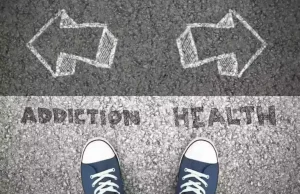
Contact your primary care provider, health insurance plan, local health department, or employee assistance program for information about specialty treatment. https://ecosoberhouse.com/ Your provider may also be able to suggest an online self-guided program. Such e-health tools have been shown to help people overcome alcohol problems.
Set Realistic Goals
• Empowerment—finding the wherewithal to cope with recovery and the challenges of life, which breeds a sense of self-efficacy. Planning in advance a way out of high-risk situations—whether an event, a place, or a person—helps support intentions in the face of triggers to use. Cravings diminish and disappear in time unless attention is focused on them. If you’re thinking about suicide, are worried about a friend or loved one, or would like emotional support, the Lifeline network is available 24/7 across the United States. You will want to understand what will be asked of you in order to decide what treatment best suits your needs.

AA and Other Peer Support Groups for Alcohol Addiction

It’s a perfect storm of accessibility, instant gratification, and social reinforcement that makes it particularly challenging to overcome. These are limited-time sessions, either personalized or in a group. Counselors provide information about the risks of drinking, obtain feedback, develop specific goals, and suggest solutions to remain abstinent. Seeking help from a counselor for alcohol addiction through family sessions has proven efficacy.
- Talk to a doctor about the options that are available to and appropriate for you.
- The decision to change is one of the most important steps in overcoming an addiction.
- What is needed is any type of care or program that facilitates not merely a drug-free life but the pursuit of new goals and new relationships.
- But cravings don’t last forever, and they tend to lessen in intensity over time.
- The opinions expressed are the author’s alone and have not been provided, approved or otherwise endorsed by our advertisers.
Can You Force Someone to Go to Rehab?
Distance yourself from people who don’t support your efforts to stop drinking or respect the limits you’ve set. This may mean giving up certain friends and social connections. Getting plenty of sleep, eating properly, participating in regular exercise, meditating, even positive self-talk are healthier alternatives to drinking and can help your loved one prevent relapse. The best combination was among the participant group who watched the television ad and kept count of their drinks. These individuals saw a significant reduction in alcohol consumed over the course of the study.
Avoid Relapse

It’s even helpful to read it out loud, as this has been shown to help you retain the information more effectively. Navigating alcohol cravings is certainly challenging, but remember, there’s strength in numbers. Both professional support groups and personal networks play intrinsic roles in recovery. They anchor positivity, resilience, and practical coping mechanisms. Firstly, Mindfulness is a mental state achieved by focusing one’s awareness on the present moment, while calmly acknowledging and accepting one’s feelings, thoughts, and experiences.
More in Addiction
One of the biggest challenges in overcoming screen addiction is finding alternative activities to fill the void. This is your chance to rediscover old hobbies or explore new ones. Dust off that guitar you haven’t played in years, sign up for a pottery class, or lace up your hiking boots and hit the trails.
- Withdrawal symptoms can be a difficult aspect of overcoming addiction for both substance and behavioral addictions.
- A structured program, or a stay at a treatment facility or hospital, may be needed for more-serious issues.
- Either way, it often keeps people trapped in addictive behaviors.
We recommend reaching out to others who are also going through withdrawal or joining group therapy. Professional detox is highly recommended for those likely to experience moderate to severe withdrawal symptoms and will support you during detox. Those who need medical supervision how to overcome alcoholism to help them withdraw safely from alcohol will require rehab. It offers a safe environment to detox, and you will get comprehensive therapy to help you recover from alcoholism and live the happy life you desire. Rewiring alcohol habits isn’t a phase one should navigate alone.

The type of medication a doctor prescribes depends on the type of addiction that is being treated. For example, there are different medications available to treat opioid, nicotine, and alcohol addiction. If you have an underlying mental health problem, such as anxiety or depression, it could worsen during the withdrawal phase. Healthcare providers can be very supportive and helpful while navigating these challenges. Talk therapy is an important part of treatment for alcohol use disorder, but Dr. Streem says just about anyone who is making a life change, like quitting drinking, can benefit from therapy.
Treatment for Alcohol Problems: Finding and Getting Help
Medications can also deter drinking during times when individuals may be at greater risk for a return to drinking (e.g., divorce, death of a family member). Overcoming an addiction to alcohol can be a long and bumpy road. If you’re ready to stop drinking and willing to get the support you need, you can recover from alcoholism and alcohol abuse—no matter how heavy your drinking or how powerless you feel. And you don’t have to wait until you hit rock bottom; you can make a change at any time. Whether you want to quit drinking altogether or cut down to healthier levels, these guidelines can help you get started on the road to recovery today.
Science-Backed Strategies to Overcome Alcohol Cravings
If you know someone who has firsthand knowledge of a program, it may help to ask about their personal experience. Acceptance- and mindfulness-based interventions increase awareness and acceptance of present-moment experiences. Mindfulness-based skill-building strategies promote flexible, rather than autopilot, responses to triggers that can prompt drinking. Many people struggle with controlling their drinking at some point in their lives.